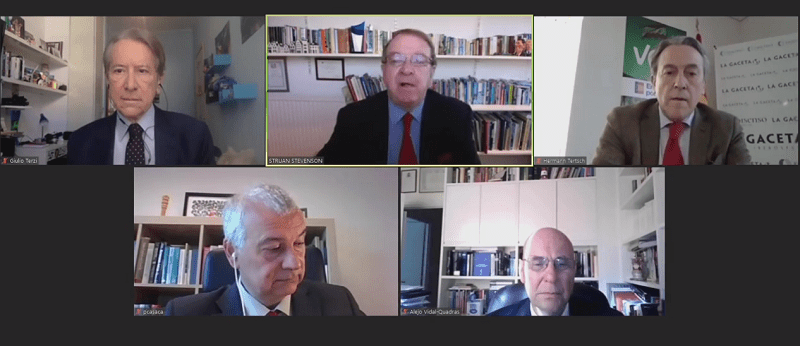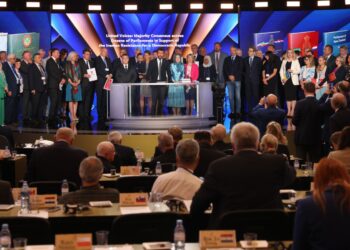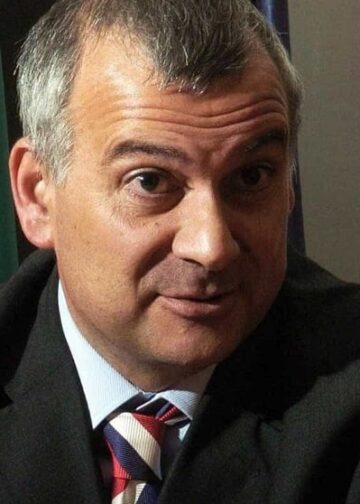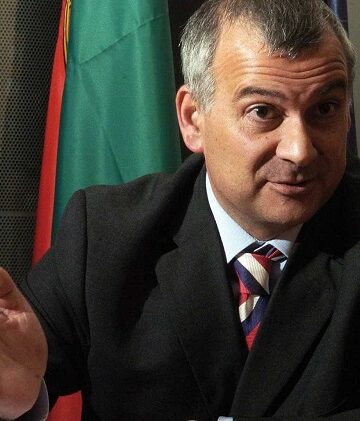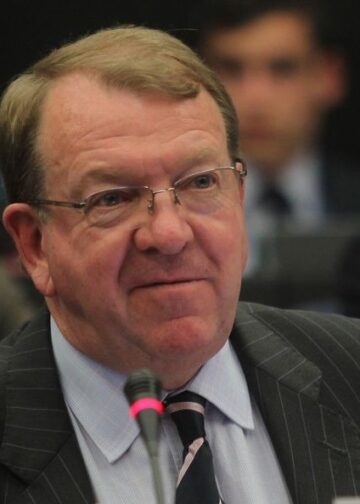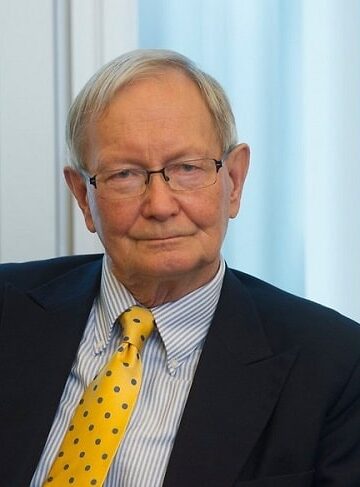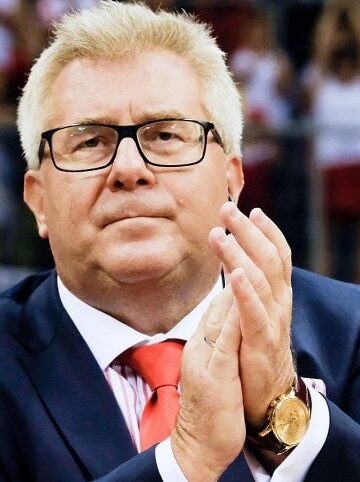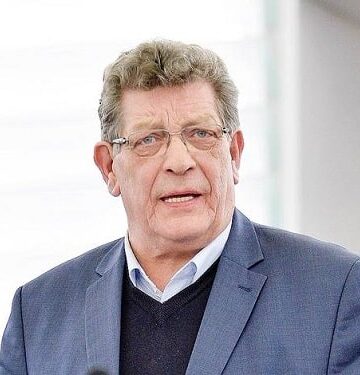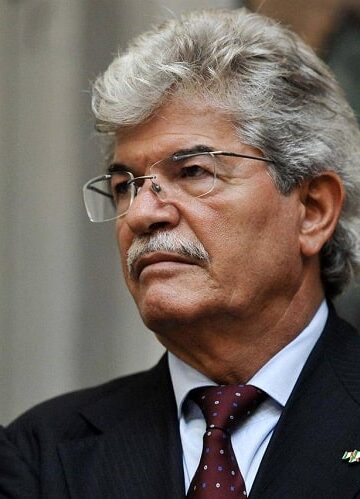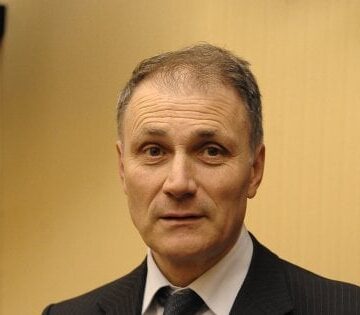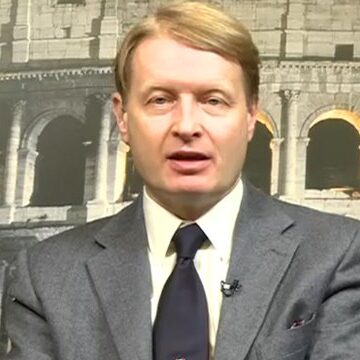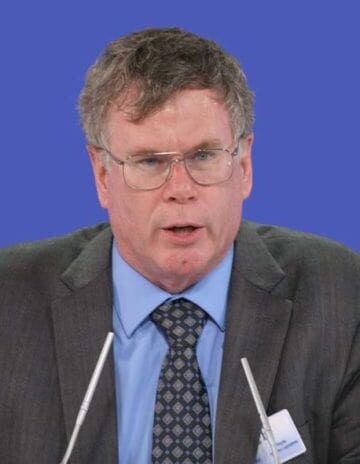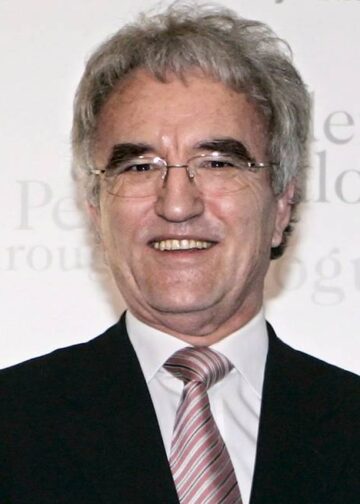

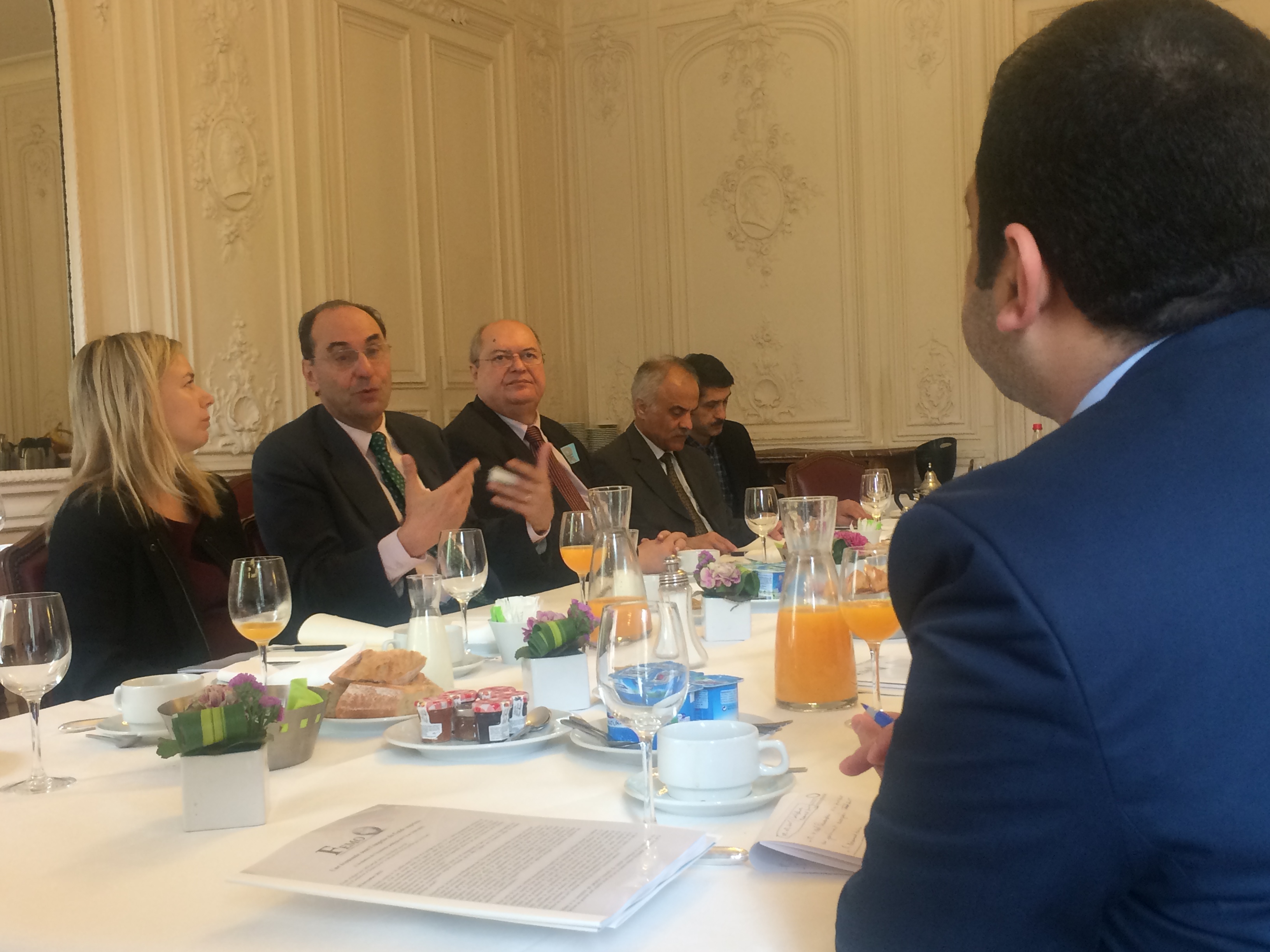
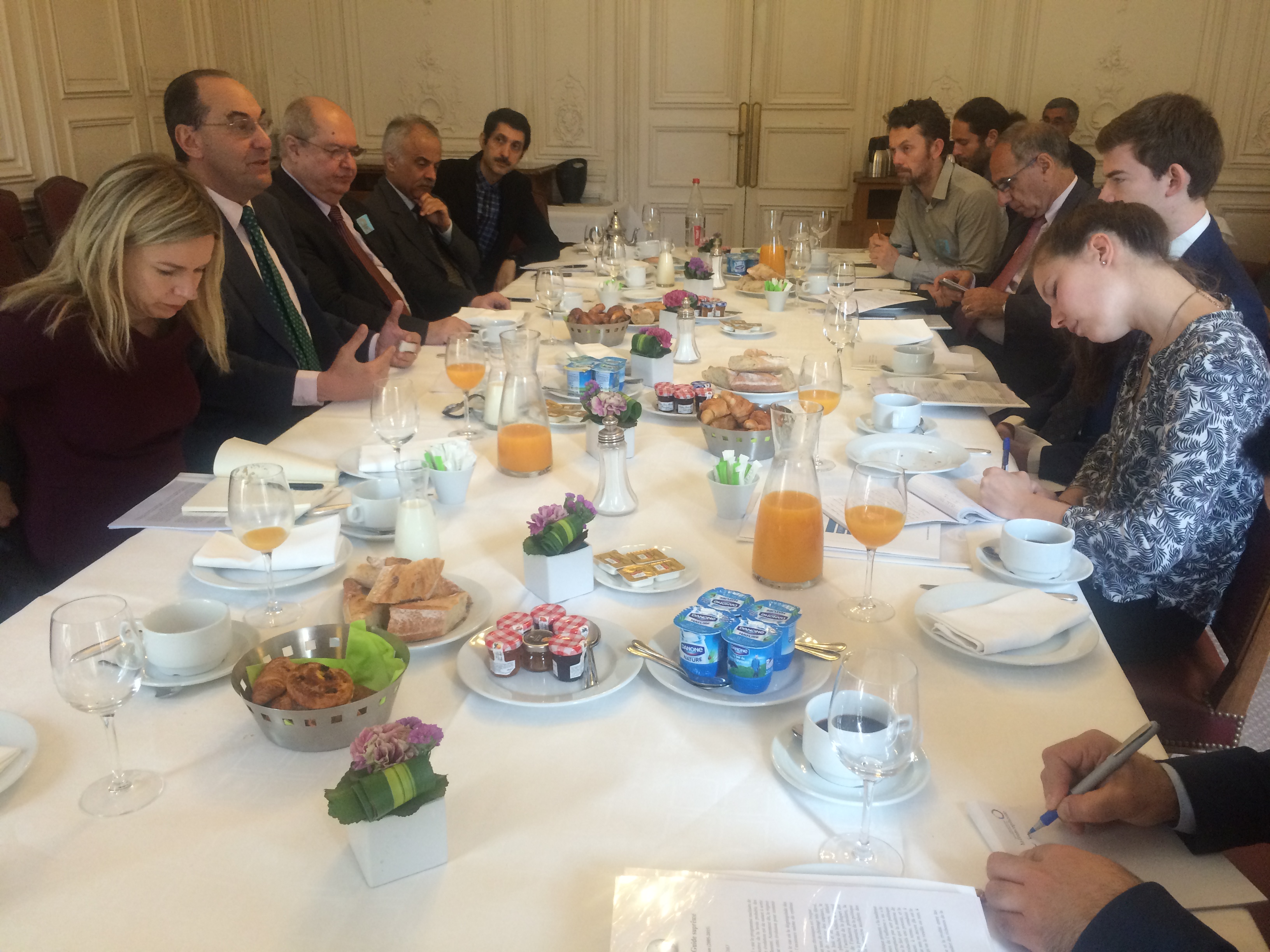
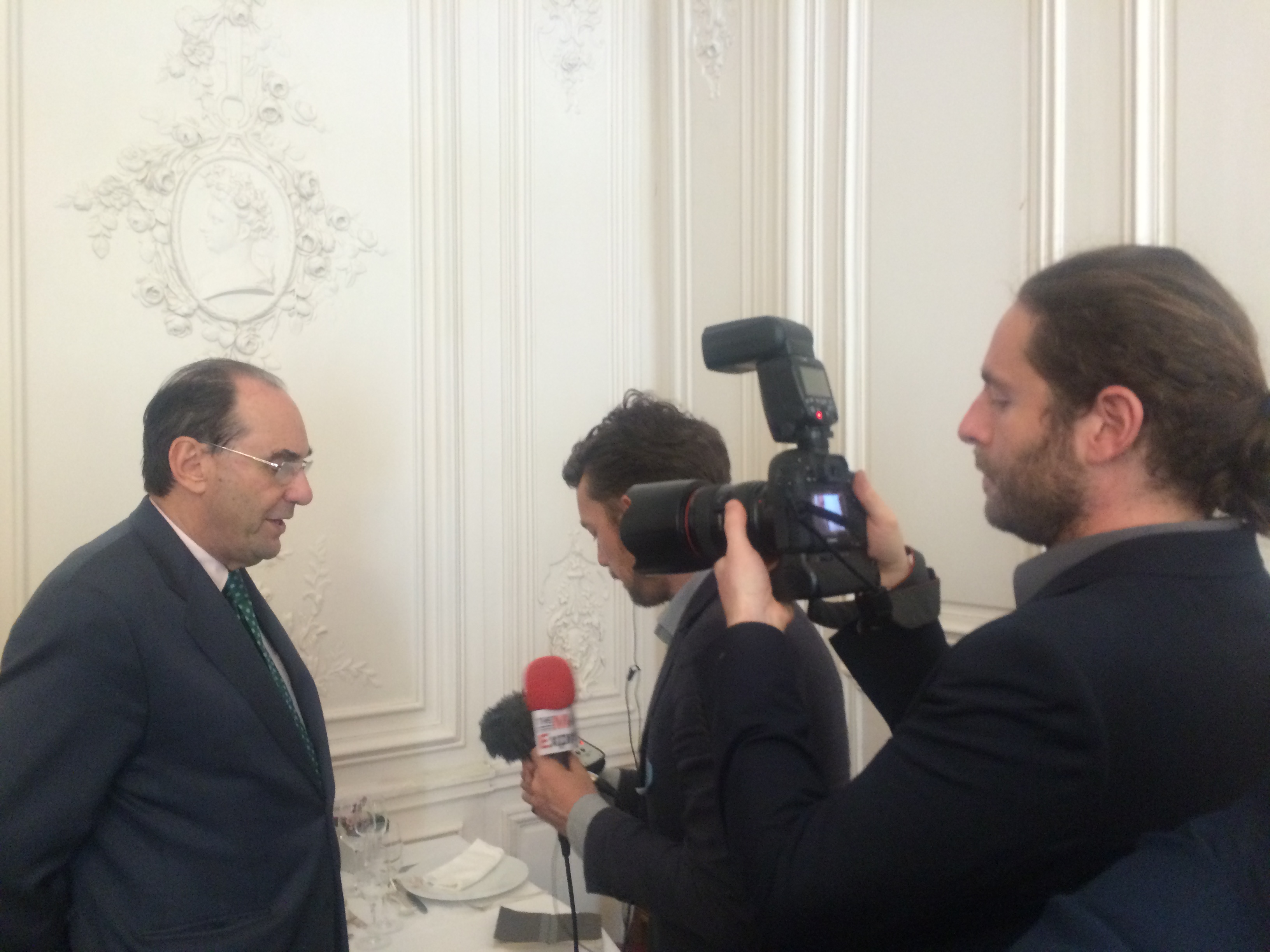
Intervention du President du Comité International In Search of Justice Alejo Vidal-Quadras au colloque “La situation en Iran un an après l’accord nucléaire” ténu au Sénat français le 18 mai 2016. (english below)
Merci pour votre invitation,
Je suis heureux de participer à ce colloque de la fondation d’études pour le Moyen-Orient organisé au Sénat. La région du Moyen-Orient traverse actuellement une phase de grandes turbulences qu’inquiète la communauté internationale. Au centre de tous les crises en Irak, en Syrie, au Yémen et au Liban, nous trouvons toujours le régime iranien. Deux questions se posent dans ce contexte : Est-ce que l’Iran se dirige vers une ouverture démocratique et vers un apaisement avec le monde occidental ? Est-ce qu’on peut enfin voir l’Iran prendre le chemin d’un changement qui viendrait de l’intérieur ?
Depuis de nombreuses années, il y a une attente et un désir en Occident pour voir une évolution positif du régime iranien. Mais chaque fois l’Occident a été déçu. Rafsandjani a été appelé le “pragmatique” et présenté comme quelqu’un qui veut mettre fin à l’isolement de l’Iran. C’était entre les années 1989 -1997. Ensuite, c’était au tour de Khatami d’être appelé «modéré» qui apportera les changements attendus dans le comportement de Téhéran. Depuis 2013, avec l’arrivée de Rohani au pouvoir, la même attente a été suscitée mais cette fois elle a culminé après l’accord nucléaire. Toutes les indications en provenance de l’Iran laissent croire que ceux qui ont eu des attentes trop élevées, vont être une nouvelle fois déçus. En réalité, très peu de choses, sinon rien, à changé en substance en Iran.
Il n’y a aucun signe d’une ouverture politique dans le pays. Certains font valoir que les appareils répressifs sont contrôlés par les extrémistes, ajoutant que Rohani n’a aucun contrôle sur eux. Même si on suppose que cet argument est correct ou, cet argument est précisément une indication claire que peu importe si Rohani est un modéré ou non. La simple vérité est que Rohani a fait partie du régime depuis bien trop longtemps pour être en mesure d’agir différemment. Il appartient au système.
L’un des problèmes fondamentaux que les médias ou les milieux politiciens occidentaux ne paient pas suffisamment d’attention, est la structure et la composition du régime. Ce régime est fondé sur la primauté absolue du clergé. Ceci est fondamental pour comprendre comment les choses fonctionnent en Iran. L’article 110 de la Constitution stipule le pouvoir du guide suprême. Il est de facto le représentant de Dieu sur la terre. Les trois branches, législative exécutif et judiciaire sont sous son control. Ses décrets sont au-dessus de la loi. En effet, tout l’establishment du système est très bien dépendant de la volonté du chef suprême. Un affaiblissement du pouvoir du Guide Suprême ferait écrouler l’ensemble du régime. Tel est son dilemme. Khatami, Rohani et Rafsanjani savent que leur propre survie dépend du maintien de la «République islamique» et c’est à cause de ça qu’ils ont besoin du guide suprême. Par conséquent, tout effort visant à modifier la nature du régime est voué à l’échec.
Un bon exemple sont les récentes élections. En Iran l’acte électoral n’est pas vraiment un libre exercice de la souveraineté populaire. Comme il a été discuté en détail dans le rapport de l’ISJ qui a été publié après le premier tour des élections, ce qui se passe en Iran sous le couvert de suffrages ressemble plus à une dispute entre les différentes factions du régime. Au Parlement Iranien l’opposition n’existe pas. En outre, tous les candidats sont sélectionnés par des personnes nommées par le guide suprême. Ils doivent prouver leur allégeance à la fois dans le cœur et les actes. Par conséquent, le résultat de cette élection est vraiment déterminé plus par l’équilibre du pouvoir au sein du système que par la volonté du peuple. Le rejet de la faction pro Khamenei n’a pas fini en faveur de l’autre faction, mais elle a été un signe de mécontentement croissant parmi une population excédée. Toutefois, le résultat ne fait pas beaucoup de différence. Le Parlement n’a pas un pouvoir réelle sur les grandes questions politiques.
Une autre indication importante est la politique de l’Iran dans la région. Depuis que Rohani a pris ses fonctions et depuis que l’accord nucléaire a été signé il y a un an, le régime iranien n’a pas changé sa politique extérieur. Malgré des lourdes pertes, avec de graves répercussions internes, le régime a constamment augmenté sa présence en Syrie. En plus des gardiens de la révolution et d’autres milices, il a envoyé l’armée régulière pour la première fois hors du pays.
Tout changement de comportement et de réforme exige moins d’intervention en Syrie et une plus grande coopération pour mettre fin au carnage. Maintenant que les Etats-Unis et l’Europe sont prêts à normaliser le commerce avec l’Iran et de l’engager dans les affaires régionales en tant que joueur, une attitude logique serait que l’Iran soit plus coopératif sur le terrain.
Zarif, le Ministre des Affaires Etrangères, par exemple est censé être la crème de la modération, mais quand il vient à la politique régionale, il est sur la même longueur d’onde que Khamenei. Dans une lettre de condoléance à Hassan Nasrallah pour la mort de Mustafa Badreddine, le chef militaire du Hezbollah (la branche libanaise des Gardiens de la révolution iraniens), qui est mort en Syrie la semaine passé, il en a fait l’éloge comme «un grand homme» et «plein de passion pour la défense des idéaux justes de l’Islam ». En Juillet 2015, lors de réunions avec le dictateur syrien à Damas et avec Hassan Nasrallah à Beyrouth, Zarif les félicita pour leur « lutte contre le terrorisme» et a fait les coordinations nécessaires pour mieux anéantir la révolution du peuple syrien. En Janvier 2014, il a rendu hommage à Imad Mughniyeh, le prédécesseur de Mustafa Badreddine, et a déposé une gerbe sur sa tombe.
La semaine dernière, Rohani a pour sa part vanté les mérites des Gardiens de la Révolution qui agissent « partout, en Afghanistan, en Irak, en Syrie, au Liban et en Palestine ». Il a rendu un hommage prononcé pour « le courage et l’héroïsme du commandant Soleimani ». Soleimani est le principal responsable des ingérences iraniennes dans la région.
Ce que les gouvernements occidentaux ne parviennent pas à comprendre c’est que ces politiques font partie de la stratégie de survie du régime. La perception erronée en Occident c’est qu’ils voient dans ces actions du régime un signe de puissance. Au contraire, son approche agressive dans la région montre sa faiblesse interne. La Syrie est actuellement en train de se transformer en bourbier pour le régime, mais en même temps, il est incapable de l’abandonner. Vous pourriez alors vous demander, compte tenu de la crise économique du régime, pourquoi il est en train de dépenser des sommes énormes d’argent dans cette guerre, alors que le peuple iranien vit dans la pauvreté.
Bien sûr, il y a des différences entre le camp Khamenei et le camp Rafsandjani – Rouhani. Bien sûr, il y a une lutte pour le pouvoir. Il est vrai aussi qu’il y a des confrontations intestines de plus en plus vives au sein du régime. Mais, le désaccord ne concerne pas deux factions avec deux optiques opposées. Comme nous avons vu pendants toutes ces années, les deux cotés sont totalement unis sur les principes fondamentaux du régime : c’est-à-dire la répression á l’intérieur du pays et l’export du terrorisme et fondamentalisme vers des autres pays musulmans. Alors, la lutte actuellement plus en plus visible entre les deux tendances n’est que l’illustration flagrante de l’échec d’un système fragile qui n’a su apporter solution aux problèmes du peuple iranien.
——————————————————————————————————
Thank you for your invitation,
I am very happy to take part in this colloquy by the Foundation of Studies for the Middle East, organized at the Senate. The international community is currently going through a period of turbulence in the Middle East region. Iran is at the center of crisis in Iraq, Syria, Yemen and Lebanon and the future of this country concerns us. Can Iran go and make peace with the world and its own population? Can we finally see Iran take the path of change coming from the inside?
There has been an expectation and desire in the West for many years to see a change of behavior in the Iran. But repeatedly the West has been disappointed. Rafsanjani was called the “pragmatist” who wants to end Iran’s isolation in 1989 -1997. Then it was time for Khatami who was called “moderate” to make the changes in the behavior of Tehran. Since 2013 when Rouhani came to office the same expectation was raised which this expectation reached its peaks after the nuclear deal. All indications are that those with high expectation are going to be once again disappointed. Little if anything in substance has changed in Iran.
There is no sign of any political opening at home. Some argue that suppressive apparatus are controlled by the so called hardliners, adding that Rouhani has no control over them etc. Even if assume that this argument is correct or see any merit in it, this argument is precisely a clear indication that regardless of whether Rouhani is a moderate or not, he does not have the power to make the change. The simple truth is that Rouhani has been part of the regime for far too long to be able to act differently. He has been part of the system. He has been, indeed, at a time one of hardliners implementing the suppressive measures. These are all in the memory of the Iranian people.
One of the fundamental problems that Western media or politicians do not pay enough attention to it is the structure and composition of the regime. This regime is based on absolute rule of the clergy. This is fundamental in understanding how this regime functions. Article 110 of the Constitution stipulates the power of Supreme Leader. He is de facto representing the God. All three branches are under his supervision. His decrees are above the law. Indeed, all part and parcels of the system is very much depends on the role of the Supreme Leader. Taking away that axis would make the whole system to crumble. This is the dilemma that the regime is facing. Even Rouhani or Rafsanjani, they know that their own survival depends on maintaining the “Islamic Republic” in power and to maintain “Islamic Republic” they need the Supreme Leader. Therefore, any effort to change the behavior of the regime is doomed to fail.
One good example is the recent election. In Iran election is not really a free exercise by the people to demonstrate the free will of people. As it has been discussed in details in the ISJ report which was published after the first round of the elections, what is taking place in Iran under the guise of election is more of a domestic dispute between different factions of the regime. There is no opposition in the election. That speaks for itself. Moreover, all candidates are vetted by people appointed by Supreme Leader. They must prove their allegiance to the Supreme leader both in heart and deeds. Therefore, the outcome of such election is really determined more by the balance of power within the system and not the desire of the people. Rejection pro Khamenei’s faction was not in favor of the other faction but a sign of growing discontent among the Iranian people and against the system. However, the outcome does not make much difference. The parliament does not have much power on major policy issues and even the composition is mixed and unclear at this point.
Another significant indication is Iran’s policy in the region. Since Rouhani took office and since nuclear deal was signed a year ago, the Iranian regime has not changed its policy in the region. Despite heavy casualties in Syria with serious repercussion at home, the regime has constantly increased its presence in Syria. In addition to Revolutionary Guards and other militias, it has now dispatched regular Army to Syria. Any change of behavior or moving toward some kind of reform requires less intervention in Syria and cooperation to end the carnage there. Now that both US and Europe are prepared to normalize trade with Iran and engage Iran in regional affairs as a player, logical approach would be to be more cooperative on the ground.
Zarif, for example, is supposed to be the cream of moderation of the regime, but when it comes to regional policy he is on the same side of Khamenei. In a letter to Hassan Nasrallah in memory of Mustafa Badreddin, a criminal leader of Hezbollah, the Lebanese branch of the Iranian Revolutionary Guards, Zarif called him “a great and a tireless man” and “full of passion and epic in defense of righteous ideals of Islam”. In July 2015, in meetings with Syrian dictator in Damascus and Hassan Nasrallah in Beirut, Zarif praised them for “fighting terrorism” and coordinating for suppressing and killing Syrian people. In January 2014, he paid tribute to Imad Mughniyeh, Mustafa Badreddin’s predecessor, and laid a wreath on his grave.
Last week, Rouhani described the Iranian Revolutionary Guards atrocities “everywhere in Afghanistan, Iraq, Syria, Lebanon, Palestine” as “courage and heroism of commander Soleimani”. The same is with Iran’s meddling in Iraq, its efforts to destabilize Bahrein and etc.
What the Western governments fail to understand is that these policies are part of the regime’s strategy of survival. The misperception in the west is that they see these meddling as sign of regime’s strength. On the contrary, regime’s aggressive approach in the region is for its own survival. Syria is currently turning to a quagmire for the regime, but at the same time it is unable to abandon it. While you might ask, given the economic crisis the regime is faction, why on earth is spending huge amount of money on Syria, while a large portion of the Iranian people living under poverty line. Why taking the tool of bringing body bag every day to Iran?
In conclusion: Of course there are differences between Khamenei and Rafsanjani/Rouhani. Of course there is power struggle. It is also true that there is growing infighting within the regime. But as we have seen all these years both sides are on the same page on the main foundations of the regime that have the world restless: those are the repression inside the country and the exportation of terrorism and fundamentalism to the countries of the region. So the struggle now more and more visible between the factions is only the portrait of the failure of a fragile system that has not been able to bring satisfactions to the Iranian people