
Raisi’s death, an irreparable and strategic blow to the regime, triggering a series of repercussions and crises within the theocratic tyranny
Repercussions of Raisi’s death are devastating for the regime’s demoralized forces. Amid the Gaza conflict, Khamenei is compelled to thoroughly restructure and replace the apparatus established during Raisi’s tenure
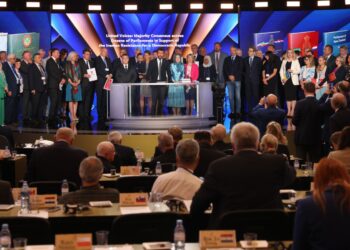
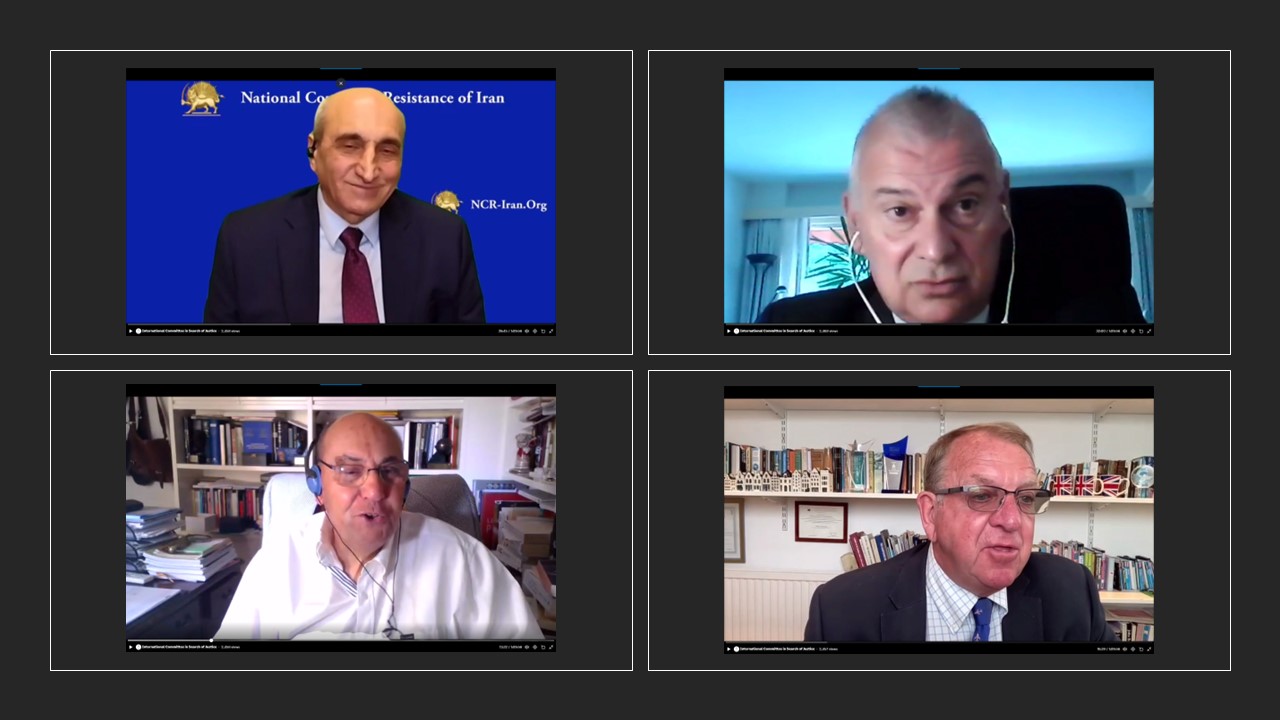
On Thursday, May 23, 2024, in an online panel discussion, the implications of Ebrahim Raisi’s death in Iran were discussed, and a new EU and Western policy towards Iran was proposed.
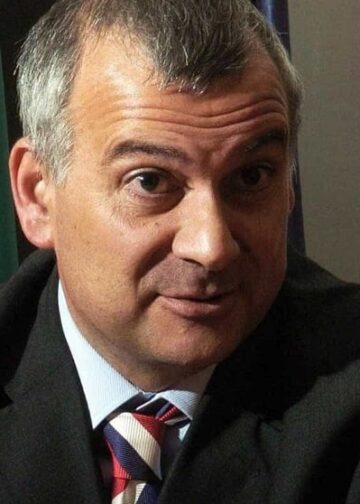
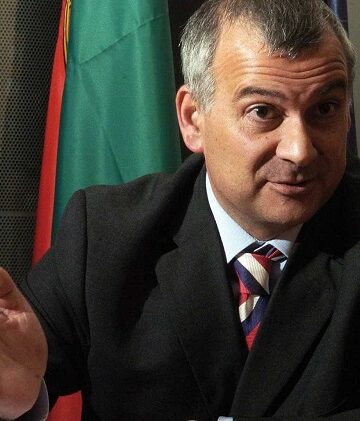
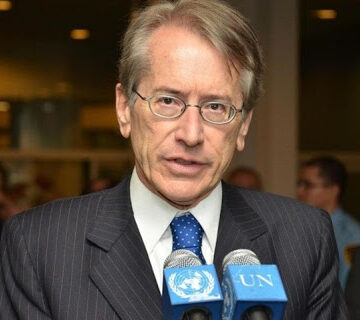
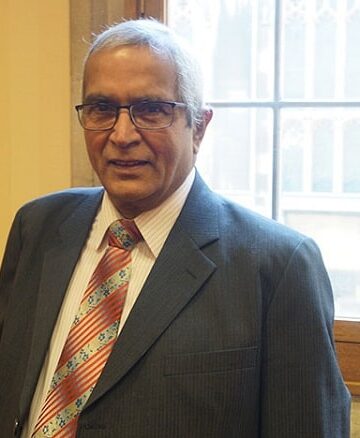
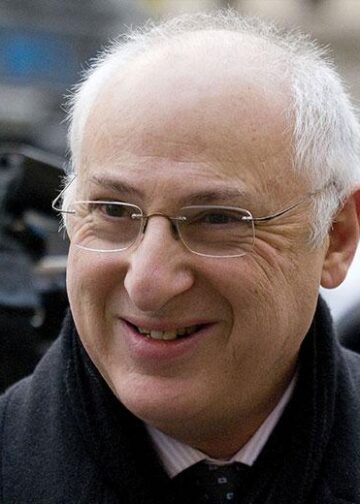
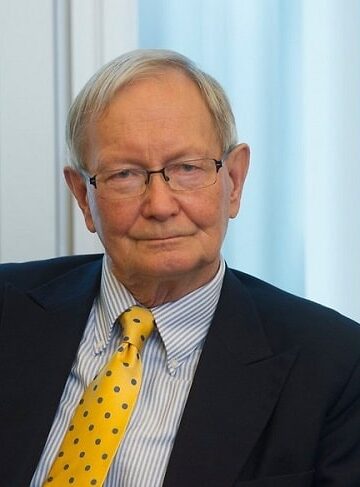
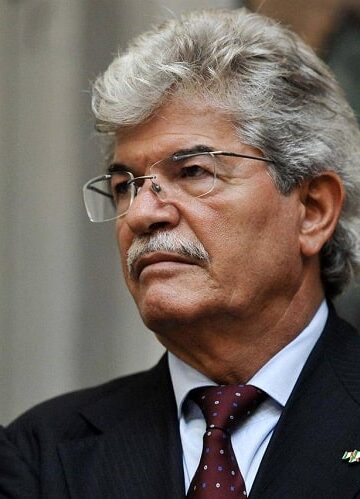
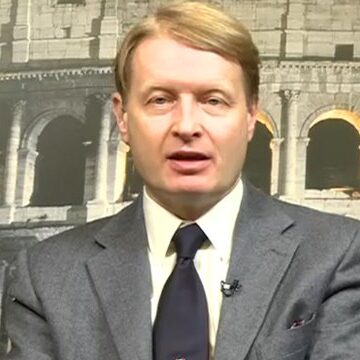
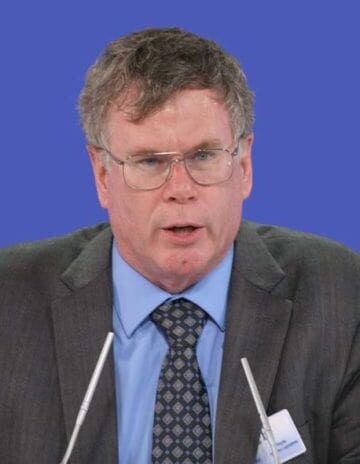
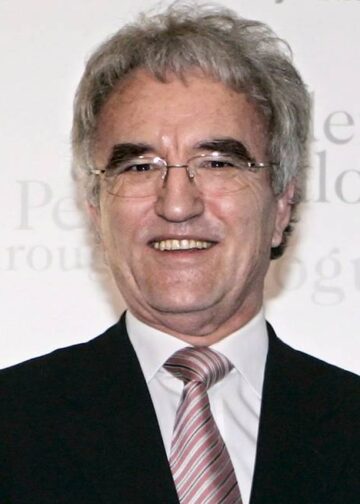
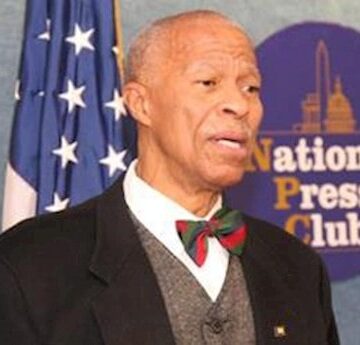
The briefing, organized by the International Committee in Search of Justice (ISJ), included Dr. Alejo Vidal Quadras, Vice-President of the European Parliament (1999-2014), President of ISJ; Struan Stevenson, MEP (1999-2014), Chairman of the Committee on the Protection of Political Freedoms in Iran; Paulo Casaca, MEP (1999-2009), founder and executive director of the “South Asia Democratic Forum”; and Shahin Gobadi, member of the Foreign Affairs Committee of the National Council of Resistance of Iran (NCRI), the main democratic alternative to the ruling religious dictatorship.
The panel discussed the implications of the death of Ebrahim Raisi, the former president of the Iranian regime, who died last Sunday, May 19, in Iran during a helicopter crash. It also reviewed the Western countries’ policies towards Iran during the past decades, and particularly in recent years, concluding that the policy of appeasement has further emboldened the clerical regime and its Supreme Leader in their repressive measures at home, warmongering, terrorism, and the development of missiles, drones, and nuclear weaponry programs. The lack of a firm policy vis-à-vis the mullahs has translated into impunity for Raisi and other officials of the regime to continue with their mass murder and violent crackdown on protesters, particularly women, and has encouraged the mullahs to further expand their terrorism and proxy war in the region and beyond, as well as the development of their missile, drone, and nuclear weaponry programs.
In his speech, Dr. Alejo Vidal Quadras described Ebrahim Raisi’s human rights record and his involvement in the 1988 massacre of 30,000 political prisoners, members and supporters of the Mujahedin-e Khalq (PMOI/MEK), emphasizing that “Raisi was a real monster in moral terms, and I do not regret his death… Raisi’s death has completely changed Iran and undoubtedly the political equilibrium between the different factions of the regime. The death of Raisi and the regime’s Foreign Minister weakens the regime politically.”
Dr. Quadras explained how he had miraculously survived a terrorist attack on his life by the Iranian regime’s agents during Raisi’s tenure, last November, taking him 6 months to recover from a shot he received at point-blank range. He said: “In recent years, there has been a qualitative jump in the regime’s criminal record. They used to kill Iranian dissidents and have killed many of them. But in recent years, they have started to try to kill Western political figures. We have the attempted attack at Villepinte [Free Iran gathering of the NCRI] in 2018, which fortunately was neutralized by the intelligence services of France, Germany, and Belgium.”
Expressing outrage over messages of condolences for Raisi’s death by some European officials, he added: “My intention is to propose to my colleagues in the International Committee in Search of Justice (ISJ) to write a letter of protest to Charles Michel, the President of the European Council, and other political leaders of the West who have publicly expressed their condolences for this time. This is a shame, because Raisi was the worst species of criminals. That is why sending condolences is really a sign of submission to this regime. That is a shame, a real shame.”
Mr. Shahin Gobadi, a member of the NCRI’s Foreign Affairs Committee, explained the implications of Raisi’s death on the clerical regime in Iran. He said: “Since 2018, the regime has faced at least four nationwide uprisings, each time bigger, more pervasive, and more inclusive. Faced with such a trend, Khamenei in 2018 resorted to a new strategy for the survival of the regime, making it totally unipolar to facilitate further repression, belligerence in the region, terrorism, and efforts to acquire nuclear weapons. Raisi played a key and somewhat irreplaceable role for Khamenei.”
He added, “In the past six years, with Raisi’s assistance, Khamenei methodically purged various factions of the regime, from the judiciary to the legislature, and ultimately the executive and government. Raisi’s leadership of the executive branch significantly enabled Khamenei to utilize the nation’s resources for warmongering and exporting terrorism, making the government a complete tool of the IRGC and Quds Force. The repercussions of Raisi’s death are devastating for the regime’s demoralized forces. Amid the Gaza conflict, Khamenei is compelled to thoroughly restructure and replace the apparatus established during Raisi’s tenure. The system is now fundamentally compromised, affirming Khamenei’s strategic defeat.”
“In practical terms, it would mean the internal strife at the regime’s apex intensifies, and given the explosive state of Iranian society, this development will foster increased potential for protests and uprisings among the general populace and in the streets,” Gobadi added. Offering the future perspective, he emphasized that given the situation, Ali Khamenei, the regime’s Supreme Leader, has no other choice but to “intensify crackdowns, purges, terrorism, warmongering, and potentially pursue nuclear capabilities for regime survival.”
Paulo Casaca, a former MEP and an expert on Iran, also condemed the condolence messages by some leaders of the European Council and said: “As has been said by many others, and especially by members of the European Parliament, I would like to say that Charles Michel and [Josep] Borrell do not represent me, do not represent Europeans. They represent themselves; they represent their policies. And of course, I would like to say that this is obviously very painful to see that those who are sending these condolences now are the exactly same people who pretended not to have seen, for instance, the attempted murder on Alejo [Vidal Quadras].” He emphasized, “The Iranian people do not need us to take its place [in toppling the ruling dictatorship]. No, the Iranian people will do it themselves, but we should not side with the butchers. We should not side with the assassins; we should side with the victims of this regime. That’s the most important message I think we would like to convey here.”
Referring to the regime’s sham Presidential election scheduled for next month to determine the substitute for Raisi, Mr. Casaca compared the recent “elections” of the regime parliament, and their national boycott by more than 92% of the population and said: “Elections in Iran are a sham, manipulated by the Khamenei to consolidate his rule and maintain the status quo rather than to reflect the free will of the citizens. Candidates, who represent only a small fraction of the population, are primarily members of the IRGC or those loyal to the Supreme Leader. The internal power dynamics underscore the system’s undemocratic nature, particularly through the actions of the unelected Guardian Council, appointed by the Supreme Leader, which vets and approves these candidates.”
Former MEP, Mr. Stevenson denouncing the condolence messages by some Western leaders, exemplified those who refused to send such messages and said: Tom Tugendhat, the UK Minister of Security, said Raisi was responsible for thousands of deaths in Iran, and was even responsible for trying to arrange deaths of British citizens in the UK, and Europeans on the continent. So, he said, I will not mourn his death.”
Struan Stevenson, who moderated the briefing, concluded by saying: “The message which has become very clear from all of our contributors is that the Western policy of appeasement, which has been followed outrageously by the expressions of condolence from many Western leaders, even by the State Department on behalf of the Biden Administration. This policy of appeasement is an abject failure. It has to stop.”
“We now have to turn our attention to giving Western backing to the people of Iran, to the 85 million people who’ve been oppressed now for generations by the theocratic regime, and before that by the Shah, and his oppressive regime, and his equivalent of the IRGC, the SAVAK [Shah’s secret police known for its notorious torture and execution of political prisoners]. No one wants a return to that. The people of Iran want a secular republic. What they want is the 10-point plan being promoted by Mrs. Maryam Rajavi and the National Council of Resistance of Iran (NCRI), a plan that all of us here in the ISJ would be prepared to stand for election under that platform, that manifesto commitment to freedom, justice, women’s rights, human rights, end to the nuclear threat, and end to the death penalty. These are things that the future of Iran could really strive under.”