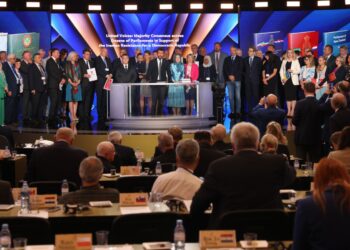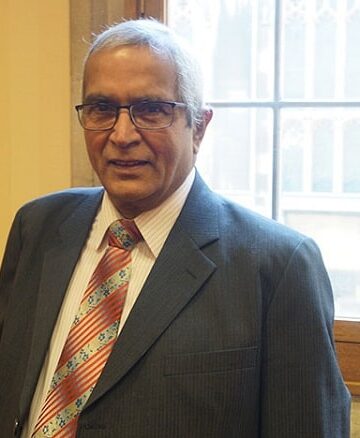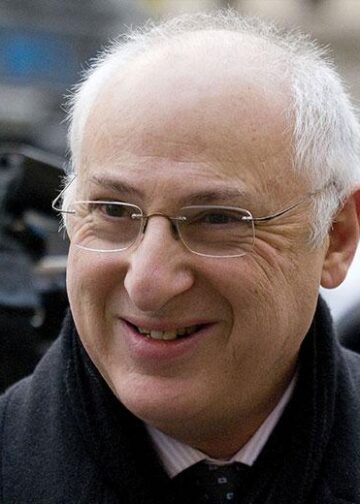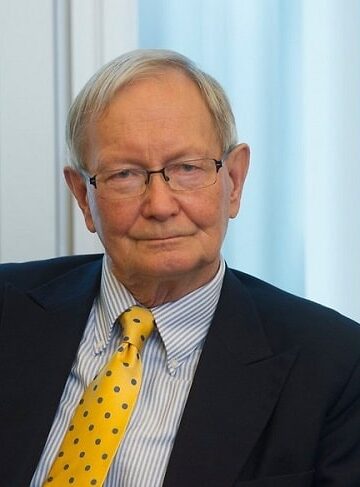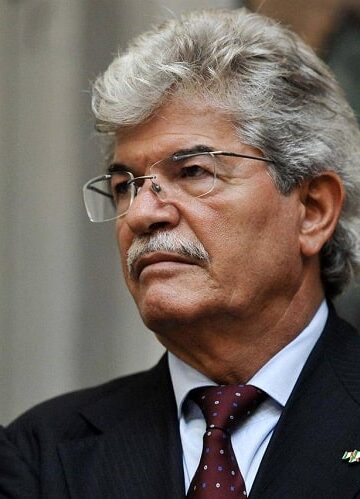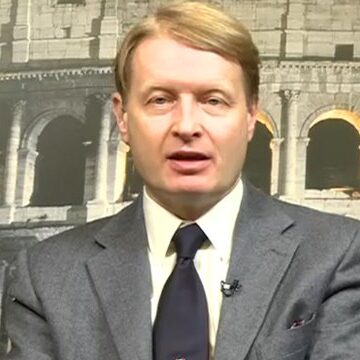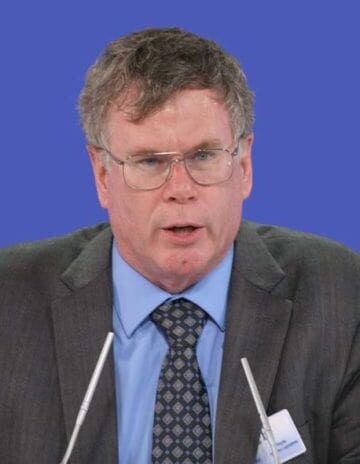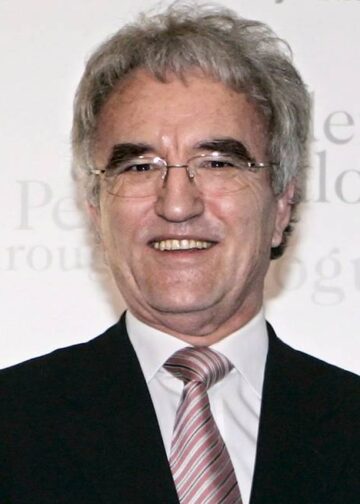


Brussels, Belgium. September 24, 2024 – The International Committee in Search of Justice (ISJ) hosted an important conference in Brussels today, unveiling a pivotal whitepaper calling for a fundamental shift in Europe’s approach to Iran. The event featured remarks from prominent figures, including former European Parliament Vice President Alejo Vidal-Quadras and former MEPs Struan Stevenson and Paulo Casaca, all of whom underscored the pressing need for change.
The 62-page whitepaper, “Europe’s Failed Policy Towards Iran,” outlines the shortcomings of Europe’s current policy of engagement with Tehran. It highlights how years of financial aid, political compromises, and restrictions on opposition movements have only served to embolden the Iranian regime, strengthening its hold on power.
For four decades, Europe’s approach toward Iran has been marked by appeasement, characterized by overlooking Iran’s increased oil sales and yielding to its hostage-taking tactics. According to the whitepaper, this strategy has only reinforced the regime’s belief in its own impunity, allowing it to continue its aggressive actions without facing repercussions.
The paper also references key historical events, such as the West’s passivity towards Iran’s nuclear developments before the National Council of Resistance of Iran (NCRI) revealed two secret nuclear sites in 2002. Despite the Joint Comprehensive Plan of Action (JCPOA), the regime has accelerated its nuclear weapons program, diverting funds to weapons development, terrorism, and internal oppression.
Speakers at the conference pointed to the severe consequences of Europe’s inaction. Vidal-Quadras, himself a target of an assassination attempt by Iranian operatives in Madrid last November, stressed the urgency of reforming EU policy. Shot in the jaw at point blank range, the ISJ President survived miraculously.
“The Islamic Republic of Iran is not an opponent with which one can engage and interact under the rules of international politics. It is a fanatical, corrupt, and terrorist state based on ideological dogmas that make impossible any evolution from inside. The distinction between moderates and hardliners in this regime is a mirage, an illusion, all their components are the same, they are all subservient to the Supreme Leader that has absolute power and their normal method to be present in the international scene is to try to impose their goals by means of violence, blackmail, or deceit,” Prof. Vidal-Quadras stressed, adding, “The replacement of a totalitarian state with a sound democracy needs a credible alternative that ensures a peaceful transition and provides stability and order to the process. In Iran, there exists such an alternative, the NCRI and its backbone, the PMOI, led by Maryam Rajavi… We know perfectly not only her and her main collaborators -what we could call her shadow cabinet- but I dare say each one of the members of the PMOI, their stories, their self-sacrifice, their austerity, their unfailing commitment, their endurance and their patriotism. We admire them and feel proud to contribute to their noble cause. The ferocious campaign of slander and demonization that they have suffered, concocted by the mullahs´ regime and its paid agents in the West is beyond any limit and it is extraordinary how they have survived it, fighting in the courts, in the media, in social media and anywhere they could make their voice heard. We have been witnesses of how the PMOI can transform a piece of Iraqi desert into a garden, barren piece of land in Albania into a flourishing small town fully equipped with all kinds of facilities and services.
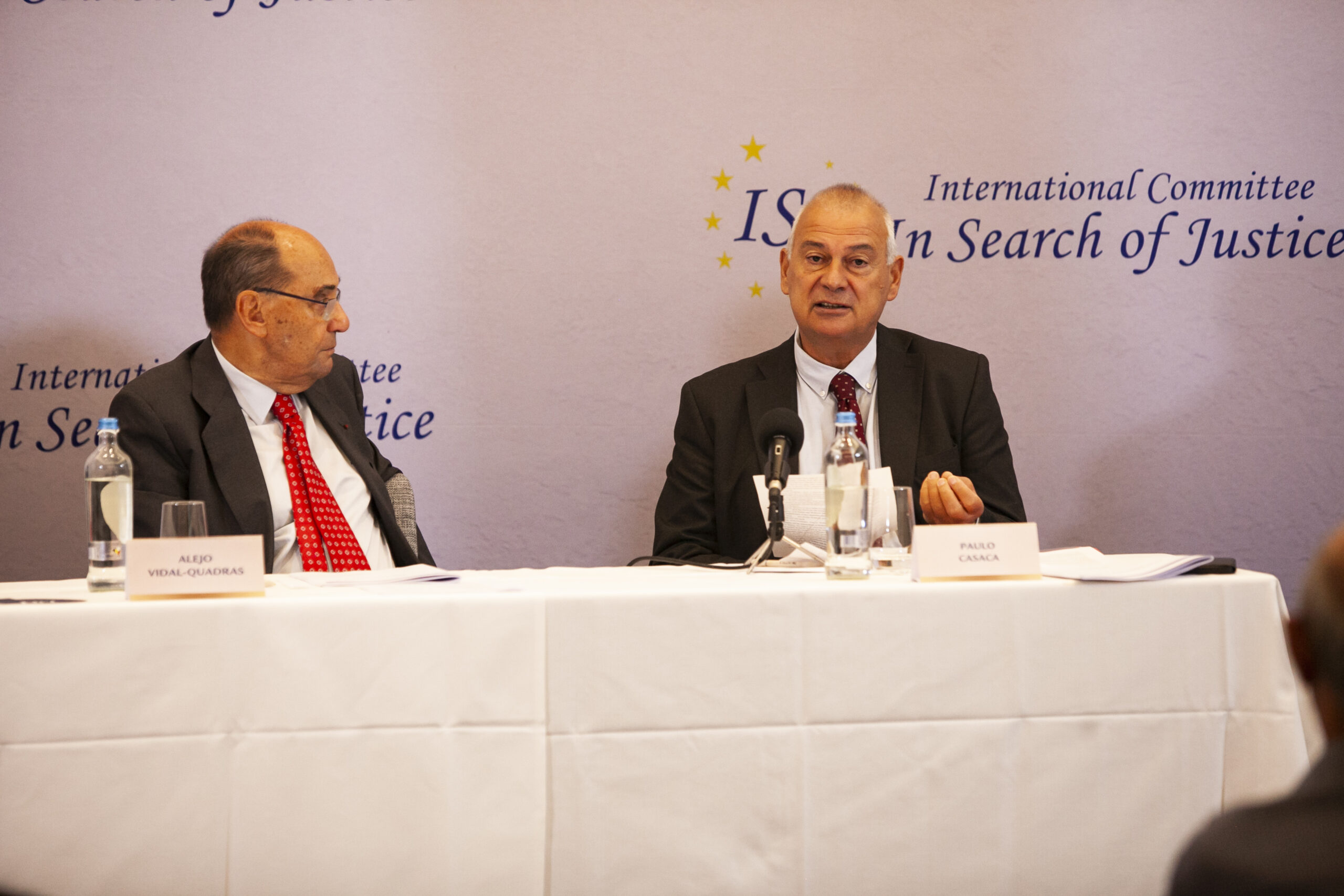
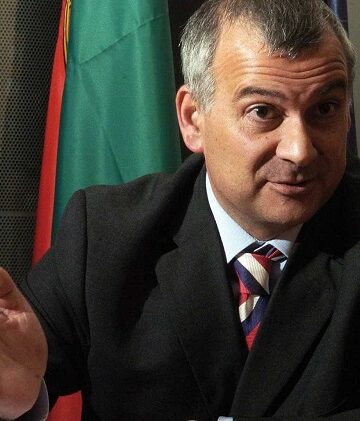
The former Socialist MEP from Portugal said in parts of his remarks, “The crux of the matter, as we learned throughout these decades is that the Iranian people are held hostage by a theocratic regime that excels in deception, in assassination, in terrorism and expansionism but fails its most basic duties to its citizens.”
“And almost as importantly, we have a free world that fails to see what reality shows and reminds us time and time again. The theatre of puppet reformists versus hardliners has been played countless times in more than four decades and not even once was there any consistent change in the behaviour of the regime. All the times, without a single exception, this charade was used to numb the western leaders into blindness and inaction. The exchange of terrorists for hostages was always followed by more terrorism. All acceptance of territorial expansionism has been followed by yet more expansionism,” he added.
The whitepaper calls for a complete rethinking of Western policy towards Iran, rejecting both appeasement and military action. Instead, it advocates for recognizing the Iranian people and their organized resistance, led by the NCRI, as a viable alternative to the current regime. The document urges the international community to support the Iranian Resistance’s efforts for democratic change.
The whitepaper outlines a set of crucial policy shifts that the EU should adopt:
- Isolation of the Iranian regime: Close all EU embassies in Tehran and expel Iranian diplomats, as these centers often function as hubs for espionage and terrorism.
- Designation of the IRGC as a terrorist organization: Following the lead of the US and Canada, the EU must designate the IRGC (Islamic Revolutionary Guard Corps) as a terrorist entity to neutralize its destabilizing influence across the region.
- Financial sanctions: Broaden and strengthen economic sanctions to erode the regime’s financial resources.
- International pressure: Maintain sustained pressure in international forums for Iran’s egregious human rights abuses, particularly against women, and pursue justice for the regime’s crimes against humanity.
- Support for the NCRI: Provide full political backing to the NCRI as the only credible force capable of leading a democratic transition in Iran.
The speakers echoed the whitepaper’s conclusions, stressing the Iranian people’s deep desire for a democratic future. They called upon the international community, particularly European leaders, to support these aspirations and adopt the whitepaper’s recommendations for a more principled and effective approach to Iran. The conference concluded with a resounding call to action, urging a decisive shift in policy that aligns with the pursuit of democracy and human rights in Iran.