• About Us
  • Contact Us
No Result
View All Result
Friday, April 10, 2026
ISJ
  • Home
  • Editorial
  • Development
  • Press Release
    • General
    • Human Rights
    • Iran and Middle East
    • Nuclear
    • Terrorism
  • Media Coverage
  • Open letters
  • Resources
    • Multimedia
    • Publications
ISJ
No Result
View All Result
Home Editorial

Latest Report on Iran’s Nuclear Activity Underscores Need for More Assertive Strategies

21/08/2021
in Editorial
Latest Report on Iran’s Nuclear Activity Underscores Need for More Assertive Strategies
Share on FacebookShare on TwitterShare on RedditShare on Linkedin

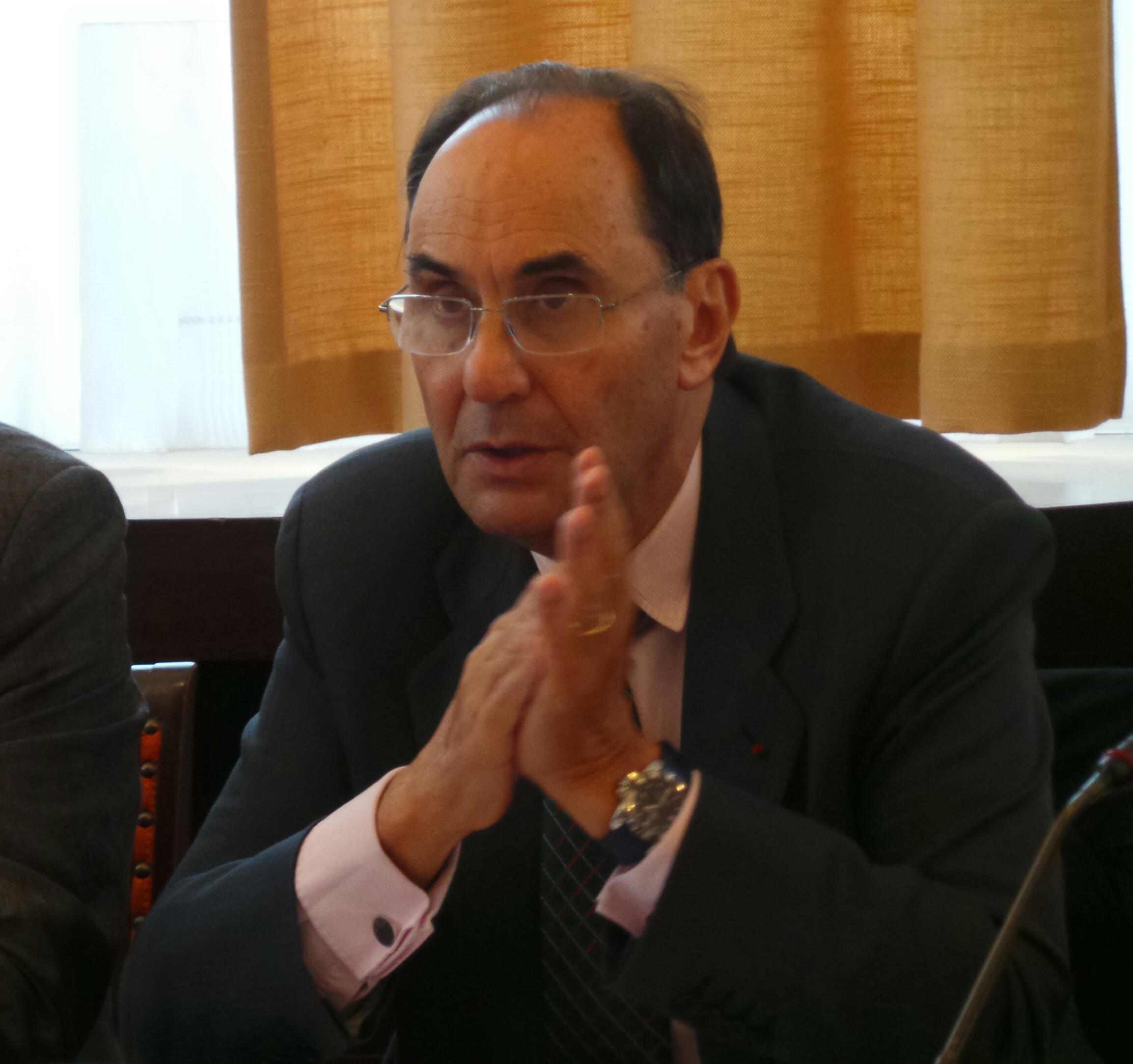
Written by Alejo Vidal Quadras 20th August 2021

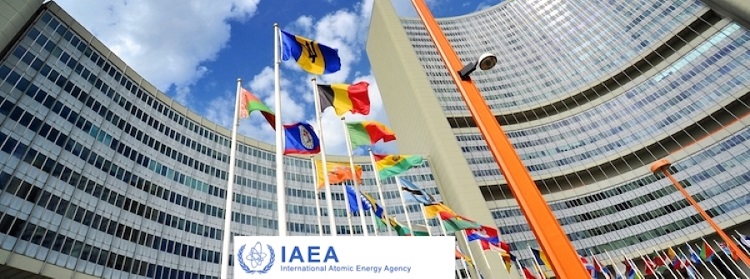
The International Atomic Energy Agency confirmed on Tuesday that the Iranian regime dramatically expanded its stockpile of enriched uranium metal over the past several months. The production of that substance is a key element in the process of developing nuclear weapons, as European signatories to the 2015 Iran nuclear deal affirmed in response to Iran’s initial announcement that the relevant work had begun. Statements from Britain, France, Germany, and the European Union rejected the Iranian regime’s claim that the uranium metal was intended for civilian uses, of which there are effectively none. But the tone of those statements was obviously inadequate to make Tehran question its strategy, much less to halt uranium metal production.
A previous IAEA report indicated that Iran had enriched just 3.6 grams of uranium metal up to the 20 percent level as of February. Now, that stockpile has apparently grown to 200 grams, while stockpiles of raw enriched uranium have continued to grow as well. As of June, the quantity of uranium Iran had enriched to any level was more than 16 times the quantity permitted under the terms of the Joint Comprehensive Plan of Action. The seven-party nuclear deal also banned the country from exceeding 3.67 percent fissile purity, but Iran violated this restriction very soon after the US pulled out of the deal in 2018, then began systematically raising the upper limit of its enrichment.
The latest IAEA report notes that the Natanz nuclear facility is now running two cascades of advanced centrifuges in order to enrich uranium to the 60 percent level. One such cascade has already been running since last year and had reportedly produced at least 2.4 kg of the material by June. The following month, outgoing President Hassan Rouhani boasted on state media about the regime’s supposed capability of raising its enrichment ceiling even further, to the 90 percent enrichment that is considered sufficient for the production of a nuclear warhead. Experts say that this level is only a short technical step away from the 60 percent that Tehran has already achieved.

Rouhani said of 90 percent enrichment, “We do not have any problem and we are able,” though he attempted to frame this as a goal the regime would only pursue in the event that new forms of nuclear power generation began to utilize such highly enriched uranium. Publicly, the regime has long insisted that its nuclear activities are only intended for civilian use, but cracks have appeared in this narrative since long before the latest advancements drew criticism from experts for having no such use.
In February, then-Intelligence Minister Mahmoud Alavi issued a statement in which he confirmed the falsity of common narratives used to defend the Iranian regime against accusations that it aspires to become a nuclear-armed state. Alavi cited a fatwa from the regime’s Supreme Leader Ali Khamenei which supposedly bars Iran from acquiring nuclear weapons but then acknowledged that the regime could easily revoke or violated that edict if it chose to do so. If the regime were to achieve its nuclear breakout, he concluded, “those who pushed Iran in that direction would be to blame.”

The purpose of such remarks is plainly obvious. By blaming Western adversaries for Iran’s own behavior, they aim to blackmail the international community into providing the regime with vast concessions in hopes of buying its compliance with nuclear restrictions, rather than insisting upon those restrictions first and penalizing the regime when it fails to live up to them. Unfortunately, this strategy has proven somewhat effective in the past, with the JCPOA standing out as a prime example. In that case, Tehran won far-reaching relief from economic sanctions in exchange for the promise of limitations on its nuclear program which were largely self-enforced. Although much of that relief turned out to be short-lived when the Trump administration removed the US from the agreement, it nonetheless helped to solidify an expectation of impunity which is still guiding Tehran’s behaviour to this day.
At the same time that Iranian facilities have been raising their level of enrichment and producing uranium metal, the regime has been growing even less compliant with an international negotiating process that aims to restore the JCPOA. Six rounds of discussions on that topic have taken place in Vienna since February, with little progress. Now, plans for another round have been stalled amidst Iran’s presidential transition.

As Western powers chart a course of dealing with Raisi’s administration in the wake of Tehran’s latest nuclear violations, they will have to carefully consider whether there is any real value in trying to re-engage with a government that is most likely planning to expand its campaign of threats and attempted blackmail. If they decide to pursue negotiations and offer concessions in spite of the regime’s intransigence, they will certainly end up sending the message that its assumption of impunity is correct. Worse still, they will most likely give the impression that Tehran has been successful at terrorizing the international community with the thought of an imminent nuclear breakout.
It is common wisdom in international affairs that policymakers should not negotiate with terrorists. When one side of negotiation is intent on instilling fear, the other side gives up a tremendous amount of leverage simply by reaching out while under duress. When negotiating, a position of strength requires that one conclusively assert that strength first before entering into talks on their own terms. In the present situation, Western signatories to the JCPOA can do that by imposing severe penalties on the Iranian regime, in terms of economic sanctions and diplomatic isolation for each successive escalation in its nuclear activities.
If the US, Britain or the European Union are going to adopt this sort of a strategy, they have a lot of catching up to do first. The Iranian regime has been riding roughshod over the JCPOA for two and a half years and far from penalizing it, the nations of Europe have remained openly committed to preserving sanctions relief, even going so far as to establish mechanisms intended to facilitate the evasion of US sanctions. The consequences of that strategy are plain to see and they put Iran significantly closer to a nuclear weapon than it has ever been before.
There is perhaps no better opportunity for a change in this strategy than the change of administration in Tehran. Since his inauguration on August 5, Raisi has reinforced his own hardline credentials by appointing cabinet ministers who include officers in the Islamic Revolutionary Guard Corps and persons who are under sanction or subject to Interpol warrants for their past involvement in terrorism and human rights abuses. It would be the most natural thing in the world for Western powers to take a more assertive stance in dealing with such a group of criminals. Yet there has been no sign of change so far. The Iranian regime’s opponents now have to wonder, what more will it take for the West to confront Tehran with appropriate strength?

Alejo Vidal-Quadras, a professor of atomic and nuclear physics, was vice-president of the European Parliament from 1999 to 2014. He is President of the International Committee In Search of Justice (ISJ)
Tags: Alejo Vidal QuadrasEbrahim RaisiIran ‌Nuclear Deal
ShareTweetShareShare
Previous Post

The EU genuflects before criminals against humanity

Next Post

Speech of the keynote speaker “Iran: 1988 Massacre – No to impunity, yes to accountability”

Related Posts

Editorial

ISJ Honors the Legacy of Prof. Rita Süssmuth and Her Support for Iranian Democratic Resistance

03/02/2026
Special Report : IRAN UPRISING 2022 & Disinformation
Editorial

Special Report : IRAN UPRISING 2022 & Disinformation

13/01/2026
assadollah assadi terrorist
Editorial

Scandal of Belgian Government

02/07/2022
48th US Vice President Mike Pence Meets NCRI’s Maryam Rajavi, Visits Ashraf 3 in Albania
Editorial

48th US Vice President Mike Pence Meets NCRI’s Maryam Rajavi, Visits Ashraf 3 in Albania

24/06/2022
Mike Pompeo Visited Ashraf-3 and Met with Mrs. Maryam Rajavi
Editorial

Mike Pompeo Visited Ashraf-3 and Met with Mrs. Maryam Rajavi

17/05/2022
Looking Eastward
Editorial

Looking Eastward

17/05/2022
Next Post
Maryam Rajavi - 1988 Massacre in Iran

Speech of the keynote speaker "Iran: 1988 Massacre - No to impunity, yes to accountability"

RECOMMENDED NEWS

109 Former World Leaders Support Regime Change in Iran

109 Former World Leaders Support Regime Change in Iran

3 years ago
Iran’s Pensioners Rise up in Anger

Iran’s Pensioners Rise up in Anger

5 years ago

ISJ’s Report: “Islamic Fundamentalism and Terrorism: Solutions & Illusions”

11 years ago
ISJ-former-ministers-iran-uprising-1

Former Western Ministers Support Iran Uprising

3 years ago

FOLLOW US

BROWSE BY CATEGORIES

  • Calls for justice for the victims of Iran’s 1988 massacre
  • Development
  • Editorial
  • Free Iran World Summit 2021
  • Free Iran World Summit 2023
  • General
  • Human Rights
  • In the Media
  • Iran and Middle East
  • Media Coverage
  • Multimedia
  • Open letters
  • Press Release
  • Publications
  • Resources
  • Speeches
  • Support for a Free Iran 2022
  • Terrorism
  • The Committee
  • Uncategorized

BROWSE BY TOPICS

Alejo Vidal Quadras Amnesty International Ashraf-3 Ashraf 3 COVID-19 cyberattacks Ebrahim Raisi EU Policy Fligth 752 FREE IRAN 2022 Free Iran Summit FREE IRAN WORLD SUMMIT 2021 Free Iran World Summit 2023 Giulio Terzi of Sant'Agata Hamid Nouri Human Rights Iran Iran 1988 Massacre Iran diplomat terrorist Iran election Iran Protests Iran Revolution Iran Uprising Iran ‌Nuclear Deal IRGC JCPOA Kazem Rajavi Mek-Iran Mike Pomoeo Nazanin Zaghari-Ratcliffe Pahlavi Paulo Casaca Resistance Struan Stevenson Terrorism Vidal-Quadras War in Afghanistan women's suppression

POPULAR NEWS

  • 3600 lawmakers in 40 countries Support Maryam Rajavi’s Ten-point Plan for a democratic republic in Iran

    3600 lawmakers in 40 countries Support Maryam Rajavi’s Ten-point Plan for a democratic republic in Iran

    0 shares
    Share 0 Tweet 0
  • Alejo Vidal Quadras The Committee President

    0 shares
    Share 0 Tweet 0
  • ALBANIA CONDEMNED FOR BRUTAL RAID ON ASHRAF-3

    0 shares
    Share 0 Tweet 0
  • Giulio Terzi, Honorary Chairman of Committee on the Protection of Human Rights & Justice in Iran

    0 shares
    Share 0 Tweet 0
  • ISJ Report-Iran Agents in Europe

    0 shares
    Share 0 Tweet 0

About Us

ISJ

International Committee In Search of Justice (ISJ) was initially formed in 2008 as an informal group of EU parliamentarians to seek justice for the Iranian democratic opposition. In 2014 it was registered as a non-profit NGO in Brussels expanding its membership beyond elected parliamentarians to former officials and other dignitaries with an interest to promote ​​human rights, freedom, democracy, peace and stability.
Follow us on social media:

Follow Us On Twitter

Recent News

Focus Iran’s Future on Democracy, Not Dynasty

12/02/2026

ISJ Honors the Legacy of Prof. Rita Süssmuth and Her Support for Iranian Democratic Resistance

03/02/2026

Appeasement Has Failed: Britain Must Finally Proscribe the IRGC and Close Iran’s Embassy

03/02/2026

Blood Is the Last Currency of Iran’s Failing Theocracy

21/01/2026

The Committee

Paulo Casaca, founder and executive director of the “South Asia Democratic Forum”
The Committee

Paulo Casaca, founder and executive director of the “South Asia Democratic Forum”

Paulo Casaca, founder and executive director of the “South Asia Democratic Forum”, is also the founder of the international co-operation ...

01/02/2022
Paulo Casaca,  former Member of the European Parliament (1999-2009)
The Committee

Paulo Casaca, former Member of the European Parliament (1999-2009)

Paulo Casaca is a former Portuguese MP and former Member of the European Parliament (1999-2009) where he chaired the delegation ...

16/11/2021
Struan Stevenson Chairman of Committee on the Protection of Political Freedoms in Iran
The Committee

Struan Stevenson Chairman of Committee on the Protection of Political Freedoms in Iran

Struan Stevenson is the Coordinator of the Campaign for Iran Change (CiC) and Chair ISJ Committee on the Protection of ...

01/02/2022
Giulio Terzi, Honorary Chairman of Committee on the Protection of Human Rights & Justice in Iran
The Committee

Giulio Terzi, Honorary Chairman of Committee on the Protection of Human Rights & Justice in Iran

Ambassador Giulio Terzi di Sant’Agata has served in the Italian Foreign Service for forty years until December 2012. He was ...

01/02/2022
Lord Maginnis of Drumglass
The Committee

Lord Maginnis of Drumglass

Lord Maginnis of Drumglass

29/05/2021
Lord Dholakia
The Committee

Lord Dholakia- OBE, Deputy Leader of Liberal Democrats in House of Lords

Lord Dholakia, OBE, Deputy Leader of Liberal Democrats in House of Lords

29/05/2021
Lord Clarke of Hampstead,
The Committee

Lord Clarke of Hampstead, CBE, Former Chairman of UK Labour Party

Lord Clarke of Hampstead, CBE, Former Chairman of UK Labour Party

29/05/2021
Lord Carlile of Berriew
The Committee

Lord Carlile of Berriew, QC​ Co – chairman of British Parliamentary Committee for Iran Freedom, former independent reviewer of UK terrorism legislations

Lord Carlile of Berriew, QC​ Co – chairman of British Parliamentary Committee for Iran Freedom, former independent reviewer of UK terrorism legislations

29/05/2021
Tunne Kelam
The Committee

Tunne Kelam, Former Member of European Parliament

Tunne Kelam Former Member of European Parliament

29/05/2021
Ryszard Czarnecki
The Committee

Ryszard Czarnecki, Former Vice President of European Parliament

Ryszard Czarnecki Former Vice President of European Parliament

29/05/2021
Gérard Deprez,
The Committee

Gérard Deprez, Former MEP, former Chair Friends of a Free Iran intergroup European Parliament

Gérard Deprez, Former MEP, former Chair Friends of a Free Iran intergroup European Parliament

29/05/2021
Antonio Razzi
The Committee

Antonio Razzi, Secretary of Italian Senate Foreign Affairs Committee

Antonio Razzi, Secretary of Italian Senate Foreign Affairs Committee

29/05/2021
Alessandro Pagano
The Committee

Alessandro Pagano, MP President of Committee of Italian Parliamentarians for a Free Iran

Alessandro Pagano, MP President of Committee of Italian Parliamentarians  for a Free Iran

29/05/2021
Senator Lucio Malan, Quaestor of Italian Senate
The Committee

Senator Lucio Malan, Quaestor of Italian Senate

Senator Lucio Malan, Quaestor of Italian Senate

29/05/2021
Colonel Wesley Martin
The Committee

Colonel Wesley Martin, Antiterrorism/Force Protection Officer of all Coalition forces in Iraq (2005-2007)

Colonel Wesley Martin Antiterrorism/Force Protection Officer of all Coalition forces in Iraq (2005-2007)

29/05/2021
Horst Teltschik
The Committee

Horst Teltschik, Chairman of the Munich Security Conference (1999-2008)

Horst Teltschik, Chairman of the Munich Security Conference (1999-2008)

29/05/2021
Raymond Tanter
The Committee

Prof. Raymond Tanter, President of Iran Policy Committee, Washington D.C.

Prof. Raymond Tanter President of Iran Policy Committee, Washington D.C.

29/05/2021
Ingrid-Betancourt
The Committee

Ingrid Betancourt

29/05/2021
General Hugh Shelton
The Committee

Gen. Hugh Shelton, Chairman of US Joint Chiefs of Staff (1997-2001)

Gen. Hugh Shelton, Chairman of US Joint Chiefs of Staff (1997-2001)

29/05/2021
  • Home
  • Media Coverage
  • Press Releases
  • Contact Us
  • About Us

© 2024 - International Committee In Search of Justice (ISJ)
No Result
View All Result
  • Home
  • About Us
  • Editorial
  • Development
  • Press Release
    • General
    • Human Rights
    • Iran and Middle East
    • Nuclear
    • Terrorism
  • Media Coverage
  • Open letters
  • Resources
    • Multimedia
    • Publications

© 2024 - International Committee In Search of Justice (ISJ)