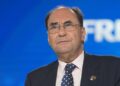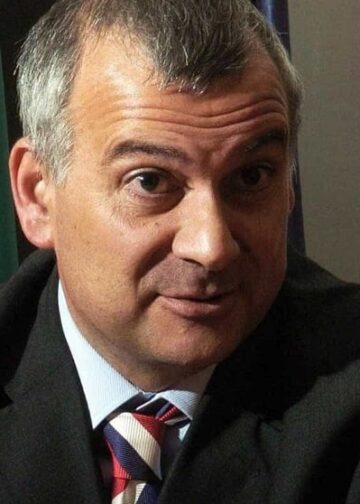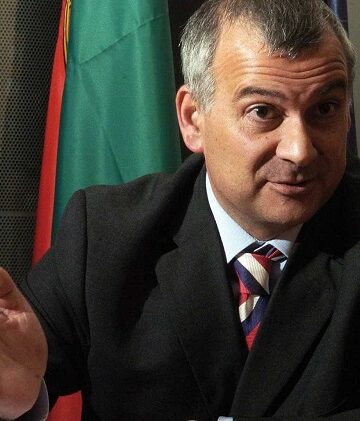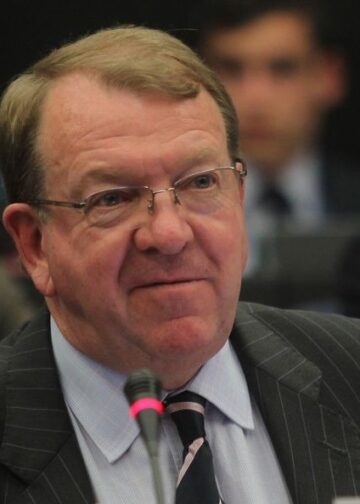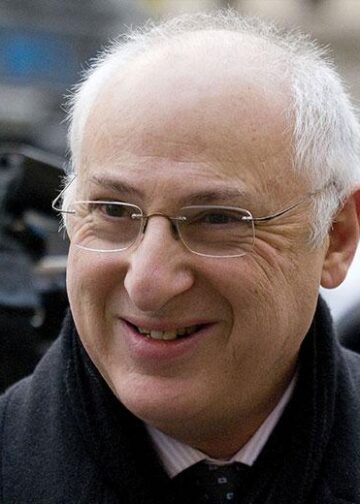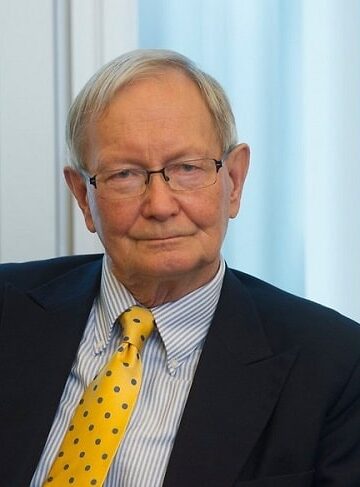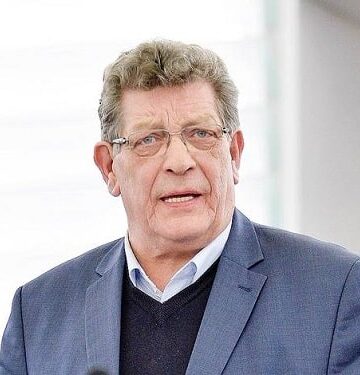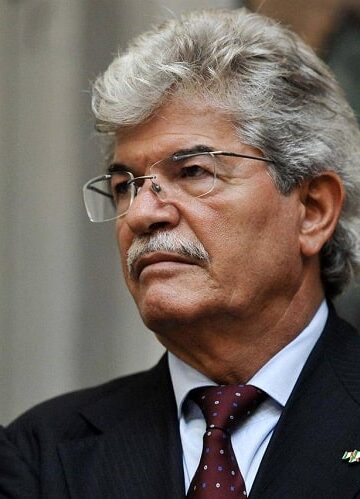

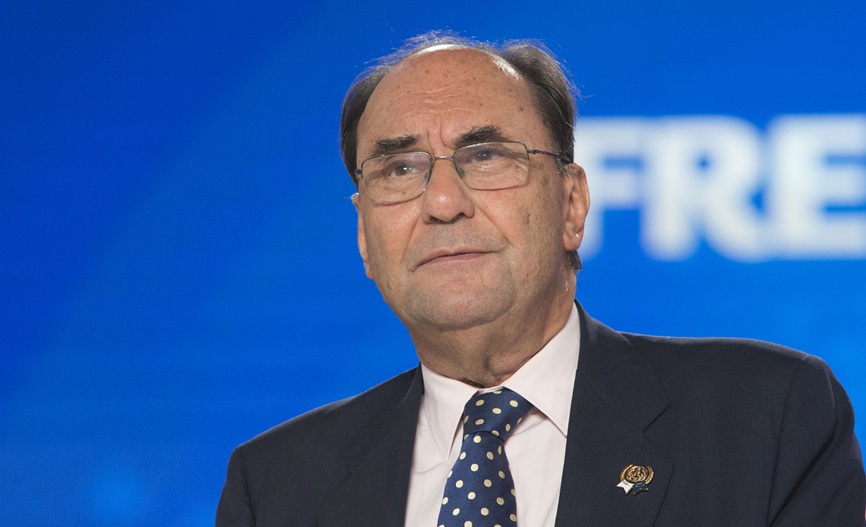
Brussels, 24 June 2026 – Professor Alejo Vidal-Quadras, President of the International Committee in Search of Justice (ISJ) and Vice President of the European Parliament (1999 – 2014), has written to French President Emmanuel Macron expressing profound concern over the French authorities’ decision to prohibit the Free Iran 2026 gathering in Paris on June 20. In his letter, Prof. Vidal-Quadras notes that his concerns are shared by his distinguished colleagues Struan Stevenson and Paulo Casaca, former Members of the European Parliament and members of the ISJ Board of Directors.
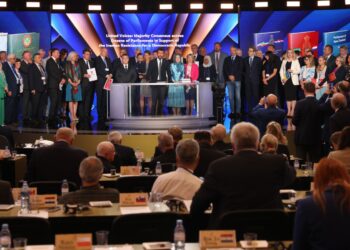
The letter raises a series of urgent questions concerning the unprecedented prohibition of a gathering expected to attract approximately 100,000 Iranians from across Europe and North America, together with hundreds of international dignitaries, parliamentarians, former government officials, diplomats, and political leaders.
Prof. Vidal-Quadras, who survived an assassination attempt in Madrid in November 2023 that European authorities linked to operatives of the Iranian regime, argues that democratic governments must never allow threats of violence to determine whether citizens may exercise their fundamental rights to freedom of assembly and expression.
In the letter to President Macron, Vidal-Quadras questions why, if credible threats existed against the gathering, organizers were not informed earlier and security arrangements strengthened. He also asks why the authorities chose to prohibit the event rather than act against those allegedly threatening violence.
The letter further notes that the Paris Administrative Court justified the ban by referring to threats posed by agents of the Iranian regime and by monarchist groups associated with supporters of the former Shah, including references to groups displaying the insignia of SAVAK, the Shah’s notorious secret police. Vidal-Quadras asks why such groups are permitted to operate and demonstrate freely if they are considered sufficiently dangerous to justify banning a peaceful democratic assembly.
Drawing a comparison with the successful prevention of the Iranian regime’s 2018 bomb plot against the Free Iran World Summit near Paris, Vidal-Quadras argues that France’s response to terrorism should be to stop and prosecute terrorists—not to deny democratic freedoms to their intended targets.
The ISJ President has called upon President Macron to establish a full, transparent, and independent inquiry into the circumstances surrounding the ban, review the actions of the relevant authorities, compensate organizers and participants for substantial losses incurred, and provide assurances that such restrictions on peaceful democratic gatherings will not recur.
“France’s reputation as the homeland of liberty was built on an unwavering commitment to fundamental freedoms,” Vidal-Quadras writes. “If peaceful opponents of dictatorship can be prevented from assembling because violent extremists threaten them, the logic of democracy is turned on its head.”